Reliance Pet Care
A pet insurance product line for an existing HMO. A case study including strategy, roadmap, prioritisation, and go-to-market.
The context
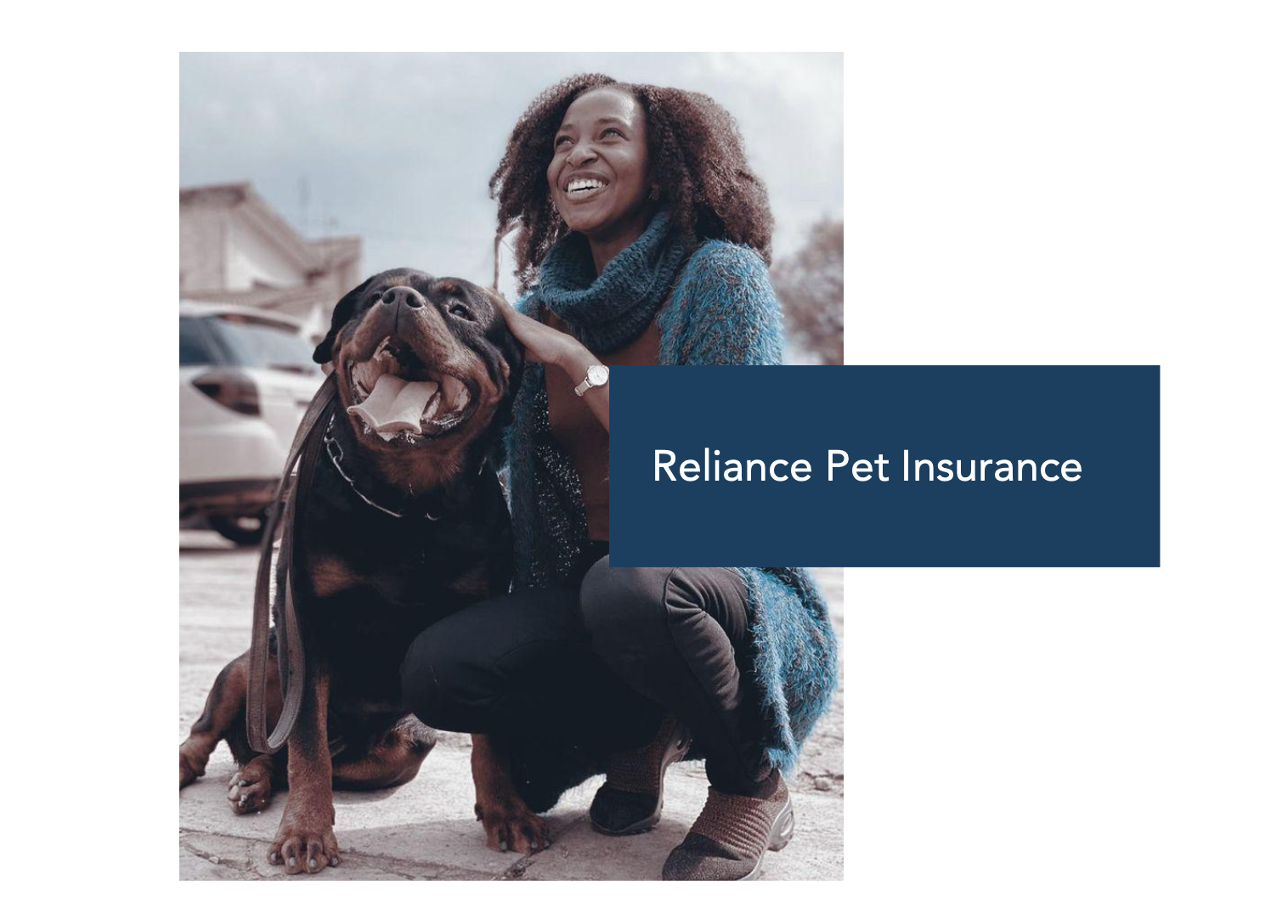
42% of Nigerians own pets yet none of their HMO plans cover their pets. Reliance HMO uses software, data science, and telemedicine to provide affordable health insurance for individuals, families, and businesses. The product question I worked on was simple to ask and harder to answer: should pets be next? I worked on this case study as a fun project to answer that question. 42% of Nigerians surveyed in a 2023 TGM Research study own pets. 66% of those owners use veterinary services. Vet bills are unpredictable, expensive, and not covered by existing insurance. The opportunity was clear; the challenge was building a product that didn't feel like a side bet.
What pet owners actually face
-
0 1
Unpredictable, expensive vet bills with no insurance support of any kind.
-
0 2
Limited and inconsistent pet-related customer support across vet clinics.
-
0 3
High costs that push owners to delay or avoid important treatments and procedures.
-
0 4
No integrated health care plan for the whole family, including their pets.
Four product moves
-
0 1
Integrate pet insurance into the existing healthcare ecosystem
One unified account and experience for both human and pet care, rather than a standalone product nobody discovers.
-
0 2
Introduce a 24/7 'Consult Your Vet' support experience
Adapt the proven telemedicine model for veterinary access, giving owners real-time help instead of a clinic queue.
-
0 3
Design affordable, locally-priced plans
Tailored to the pricing realities and sensitivity of the Nigerian market, with tiered coverage and family bundles.
-
0 4
Build a preventive care content ecosystem
Educational resources on breed-specific care, nutrition, training, behaviour, and wellness. This creates value owners feel in months where they never file a claim.
Phased with MoSCoW
Part I (Months 1–6): Foundation & Core Experience
User onboarding and profile creation · Digital pet IDs and medical records · Vet consultations and vet locator · Wellness reminders and preventive care tracking.
Part II (Months 7–12): Community & Service Expansion
Community features for pet parents · Educational content · Multi-pet plans and discounts · Multi-channel customer support · Trust and review systems · 24/7 emergency assistance services.
Three takeaways
-
0 1
A new product line is a strategy decision before it is a feature decision
The first question wasn't 'what do we build?', it was 'does the brand already have permission to solve this problem?' For Reliance, 'healthcare for the whole family' is the perfect natural extension into pet care.
-
0 2
Preventive care is also a content product
Wellness reminders and educational resources weren't marketing additions, they were part of the product value. In months where users don't file a claim, those touchpoints could be the reasons the subscription would still feel worth paying for.
-
0 3
MoSCoW only works when 'Won't Have' is treated seriously
Deliberately excluding grooming, training, and adoption features in the early stages kept the product focused on solving the core healthcare problem well.